
Mold Cleanup
Mold cleanup clears mold from materials and surfaces, puts damaged belongings into bags and prepares the space for repair work.
See mold cleanupGet a clear cleanup plan for visible growth, a musty odor or moisture damage in Arleta. It should cover containment, affected materials, drying and water repair.
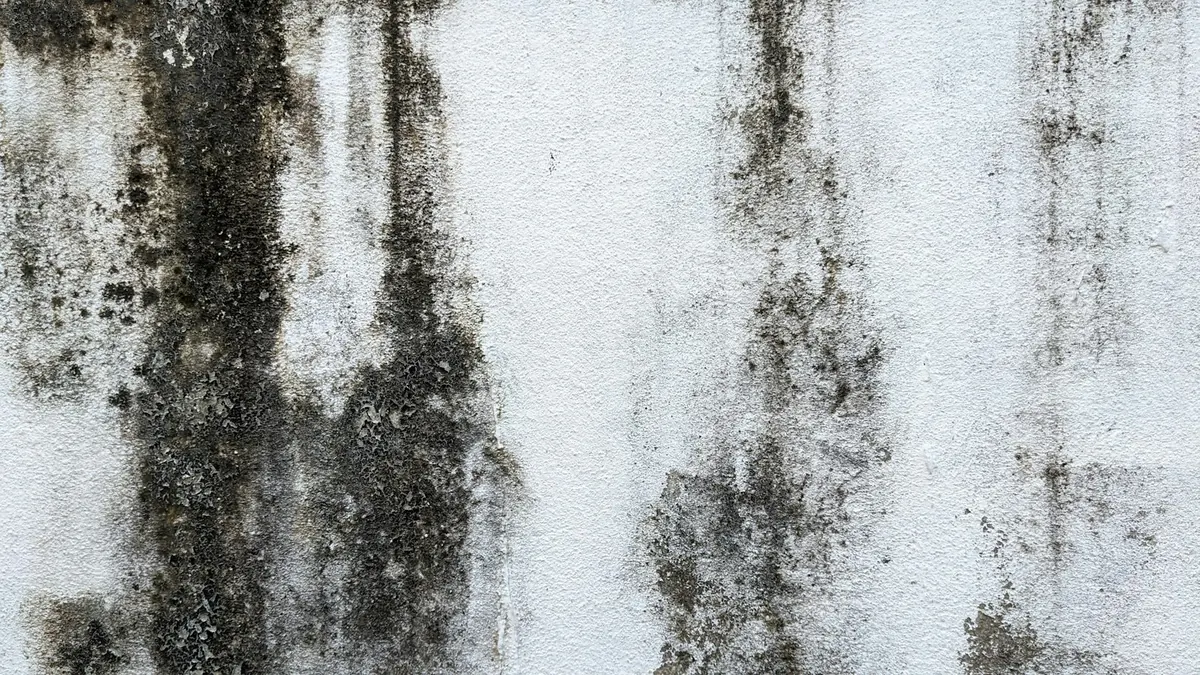
Remediation includes drying and cleaning, plus containment, removal and moisture control.
The difference between mold removal and remediation comes down to scope. Moisture, drying, removal and containment belong in a remediation plan.
The written scope needs to list materials, demolition, moisture checks and who is responsible for repair.
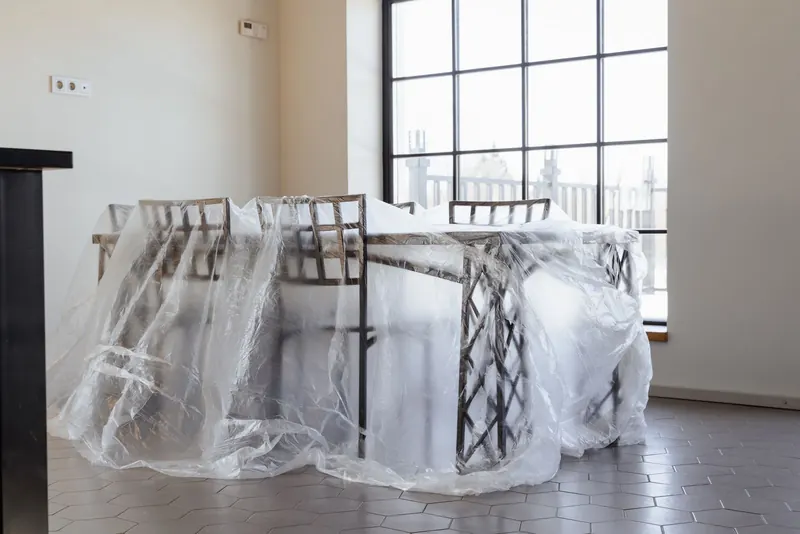
Your remediation scope should cover materials, cleaning, drying, repair duties and what to expect.
Choose an independent assessor instead of having the mold removal company evaluate its own work.
Ask who repairs the source and how moisture readings guide the work.
Request details about negative air pressure, HEPA filtration and barriers.
Call a professional for contaminated water, growth across a large area or affected HVAC equipment.
Black mold is a search term, not proof of danger. Mold risk cannot be determined from color, the CDC guidance explains.
Affected HVAC equipment should remain off to avoid spreading particles.
Several rooms may point to plumbing, humidity or building-envelope trouble.
Framing may stay damp within a crawl space, attic, basement or other lower-level area.
Control the water and keep records.
Call (844) 352-3560The typical national range published by Fixr is $1,500 to $9,000 nationally. Once an area exceeds about 10 square feet, its Fixr rate is $10 to $30 for each square foot. This Old House gives a typical $1,200 to $3,750 range based on figures credited to Angi.
No site visit was used for these ranges, which are drawn from published national cost guides. Following an on-site assessment, the property price should be explained to you before any work begins.
Ask about cost: (844) 352-3560A covered sudden event may qualify for payment under homeowners insurance. Coverage depends on the cause and policy terms.
California's Toxic Mold Protection Act includes a landlord written-disclosure section (Health and Safety Code 26147). By its own wording it applies only after the state adopts mold exposure standards, and the state health department has said it could not set them. Save repair documents, the scope, photos and moisture records.
A burst pipe might receive different policy treatment than repeated humidity or slow leaking.
Report water right away. Request guidance on coverage, recordkeeping and material movement.
Under California's housing law, visible mold found by a health officer or code enforcement officer can make a rental substandard. Renters can contact their local health or code enforcement department to ask for an inspection. Retain messages about leaks and access along with dated photos.
The mold removal process includes verification along with assessment, containment, cleaning and drying.
Moisture readings and a thermal imaging camera can inform an inspection without establishing that mold exists.
A containment barrier and air filtration device control airflow and negative air pressure.
Each cleanup crew member wears protective equipment. Unsalvageable porous materials are bagged inside containment.
Cleaning remaining surfaces may involve damp wiping, HEPA sanding, wire brushing and HEPA vacuuming.
Air movers and a dehumidifier help with drying. Mold remediation time depends partly on moisture readings.
Choose an independent assessor for clearance testing or air sampling when either is necessary.

Call whenever you need. Talk with a mold remediation specialist about what you are seeing and the steps ahead.
Dust, contaminated water and moisture hidden from view are the main risks.
Seek experienced help for contaminated water or sewage, as EPA guidance advises.
Mold can trigger allergy and asthma symptoms in some people. Certain medical conditions raise the risk.
A HEPA air scrubber, poly sheeting and negative air pressure help contain dust movement.
Can you clean it yourself? Homeowners are often able to clean areas under about 10 square feet. When contaminated water or HVAC systems are involved, larger areas need professional help.
Cleaning may save hard surfaces, while affected porous materials might require disposal. Each belonging needs its own check.

The schedule varies with access, drying, affected area and moisture repair. Schedules remain tentative.
A musty smell may signal hidden growth or damp material. It cannot be fixed with fragrance.
Indoor relative humidity should stay below 60 percent and ideally in the 30 to 50 percent range, according to EPA guidance. Fix every leak directly.
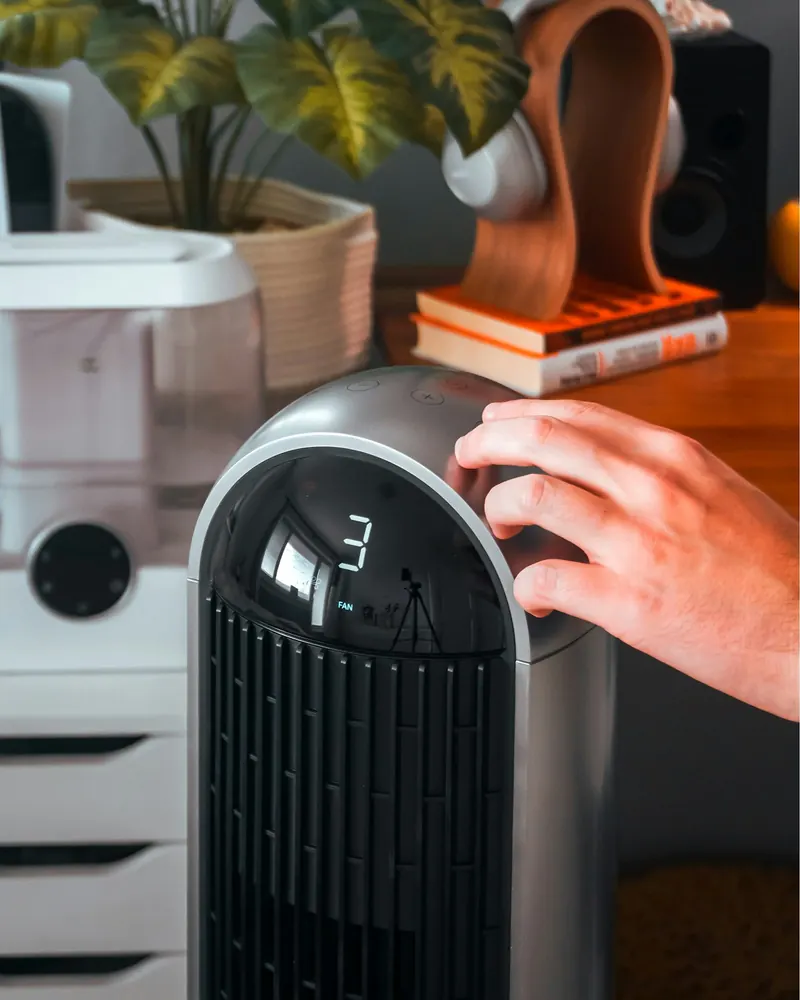
The full mold remediation guide covers what is cleaned or removed, odor and air quality work, and the rules that apply in California and Los Angeles County.
Read the full mold remediation guideLocal housing, humidity and property access can shape moisture control, containment and mold cleanup planning.
Within Arleta, even adjoining properties can manage water differently, so inspection should focus on the specific roof, pipe, drainage point, or humidity problem.
Dry water-damaged areas and items within 24 to 48 hours to prevent mold growth, and remove porous material when it cannot be fully cleaned and dried.
You can ask about mold cleanup in nearby communities and ZIP codes during the call.
Mold cleanup clears mold from materials and surfaces, puts damaged belongings into bags and prepares the space for repair work.
See mold cleanup
Mold abatement is a term for mold removal in which the work area is sealed and contaminated materials are taken away.
See mold abatement
Black mold removal isolates dark mold growth found on wood and drywall, then takes out the affected portions.
See black mold removal
Residential mold removal addresses growth in condos and houses, whether one room or multiple spaces need attention from a local crew.
See residential mold removal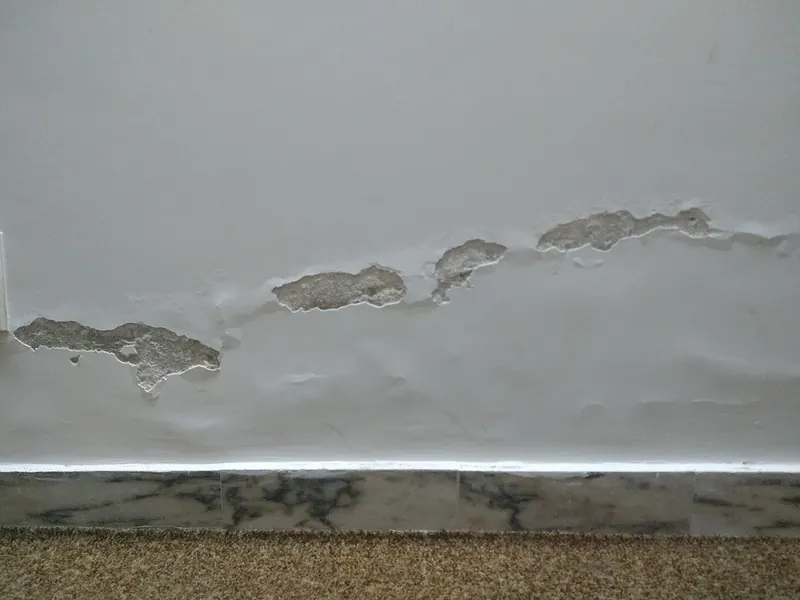
Growth concealed above ceilings, below floors or inside walls is found and removed during hidden mold remediation.
See hidden mold remediation (behind walls)
Mold damage restoration clears the growth before damaged insulation, flooring, drywall and other building materials are repaired or replaced.
See mold damage restoration
A mold inspection is combined with removal so workers can locate the growth before cleaning it away.
See mold inspection and removal
This overview of mold removal cost explains the effect of area size, involved materials and any repair needs.
See mold removal costIf condensation, a leak or high humidity persists, growth may return. Your plan needs to address both drying and repair. EPA guidance says indoor humidity should stay below 60 percent and ideally between 30 and 50 percent to help limit future growth.
Finish leak, drainage, ventilation or humidity correction before closing surfaces. Keep photos, the scope, moisture readings and any clearance report. Monitor the space for stains, moisture or musty odor. Take action on fresh water intrusion, not merely covering the spot with trim or paint.
EPA guidance points to professional help when growth exceeds about 10 square feet, damage is extensive, HVAC equipment may be affected, or contaminated water is involved. If a household project cannot safely cover containment or drywall removal, getting help makes sense.
Your policy and the cause control coverage. Find out if coverage applies to the water event, if there is a mold sublimit and which records the adjuster needs. Avoid presuming that mold alone qualifies for coverage. Sudden events can receive different treatment from condensation or slow leaking.
Your timing is shaped by access, area size, material types, moisture and repairs. Find out how tasks progress from containment setup through drying to final cleaning. Treat scheduling before mold inspection and moisture mapping as preliminary since unseen damage may affect the full scope.
The moisture source, policy and lease determine which party may pay, whether landlord, tenant, insurer or owner. Insurance might apply when the policy covers a sudden water event. Policies may exclude recurring humidity and leaks that continue long term. Notify the appropriate party quickly, then retain pictures.
Calls about mold remediation are answered 24 hours a day, so you can receive clear and practical guidance.