Basement Mold Removal in Arleta, CA
Plan basement mold removal in Arleta around your damaged materials, access and water source. Separate cleanup from the repairs needed afterward.
- Moisture source checked first
- Containment and HEPA filtration
- Clear removal and drying scope
Understanding Basement Remediation in Los Angeles County
Specify affected surfaces, belongings and rooms in your cleanup plan, with moisture repairs assigned as a separate responsibility.
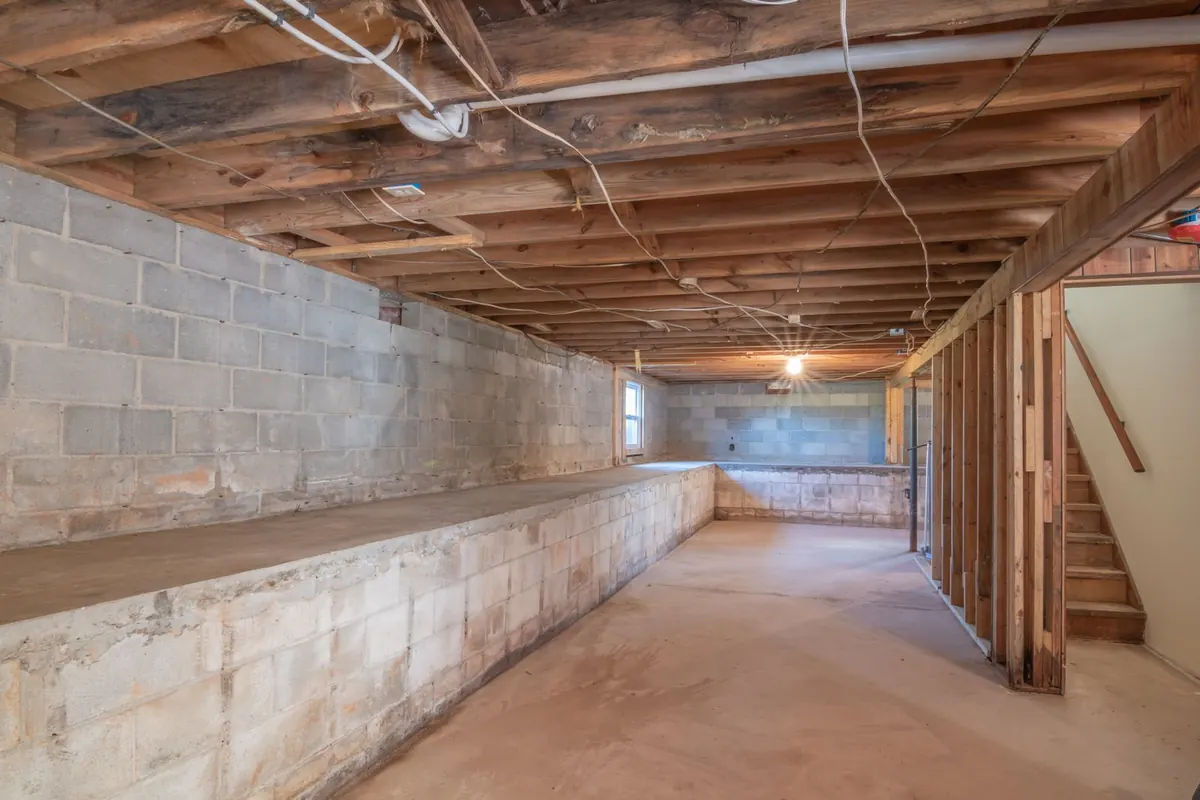
In your unfinished basement, foundation walls and joists remain visible. Flooring, paneling or drywall in finished rooms can cover wet materials.
You cannot judge the extent of damage from a visible patch alone. Confirm where checks took place and where access remains blocked.
- Foundation wall and floor edges
- Basement ceiling, joists and subfloor
- Finished wall cavities
- Stored belongings
- Sump pump and sump pit
Choosing Basement Help in Los Angeles County
Comparable Proposals
Compare materials and rooms on an equal basis using each written scope of work. A proposal may look less expensive because a room is left out.
Changes Need Agreement
Before expanding the scope, ask how approval and documentation will cover damage discovered during work.
Relevant Basement Work
Discuss experience working on finished lower levels and masonry, including stored possessions comparable to yours.
Clear Responsibility
Find out who answers your questions and who has authority to approve changes.
Signs Your Basement Mold Needs Attention in Los Angeles County
Where you notice damage helps guide the assessment.
Basement Mold After Flooding
EPA recommends a drying window of 24 to 48 hours for water-damaged areas and belongings to prevent mold growth.
Dark Patches on Surfaces
CDC guidance explains that color does not tell you how risky mold is. Give the location instead, along with the extent.
Damp Basement Walls
Check whether wall water stains appear after rainfall or remain when the weather is dry. Tell the inspector about that pattern.
Finished Basement Damage
Look beyond visible staining when you find soft trim, peeling paint or damp basement carpet edges.
Where to Start With Lower-Level Mold in Arleta
Do not disturb mold you can see while scheduling an assessment.
Call (844) 352-3560- Check Safety Before Stopping a Leak. Avoid standing water, and keep your distance from electrical equipment that is wet.
- Leave growth undisturbed. Leave moldy surfaces unopened, unbrushed and unsanded. Mold spores may spread as a result.
- Restrict access. Keep people and pets away from the affected basement area.
- Leave suspect HVAC off. EPA recommends leaving a system off if mold contamination is possible.
- Record the initial damage. From an accessible spot, document materials in dated photos before any relocation or removal.
Basement Mold Removal Cost: What to Consider in Arleta, CA
The cards show published national ranges, including a separate waterproofing allowance. Compare the work covered by each range before budgeting for your basement.
Basement mold removal
$1,500 to $4,000 per jobSource: Fixr, Mold Remediation Cost (checked 2026-10-23)Basement mold removal
$500 to $3,000 per jobSource: This Old House, Mold Remediation Cost (cost data credited to Angi) (checked 2026-10-23)Basement sealing or waterproofing, if needed
$3,000 to $7,000 per jobSource: Fixr, Water Damage Restoration Cost (checked 2026-10-23)Cost Factors in Arleta
- Flooding or contaminated water
- Containment and drying
- Access to hidden areas
- Affected square footage
- Finish materials you need to remove
- Drainage, waterproofing and leak repair
Published costs
Published national cost guides are the source of these ranges, rather than an inspection of your property. An on-site assessment determines the price for your property, and you should receive an explanation before the work begins.
Ask about cost: (844) 352-3560Understanding Basement Mold Insurance in California
Check with your insurer about the effect of the water source and your policy terms on a basement mold claim.
Property Disclosure
California's Toxic Mold Protection Act includes a landlord written-disclosure section (Health and Safety Code 26147). By its own wording it applies only after the state adopts mold exposure standards, and the state health department has said it could not set them.
Cause of Basement Water
Ask how the policy treats a burst pipe, sewer backup, flood or recurring seepage.
Tenant Responsibilities
Under California's housing law, visible mold found by a health officer or code enforcement officer can make a rental substandard. Renters can contact their local health or code enforcement department to ask for an inspection.
Claim Limits and Approval
Ask about mold sublimits, deductibles and authorization before starting non-emergency work.
How Basement Cleanup Works Across Greater Los Angeles
Your assessed scope sets the sequence of tasks and work controls.
Basement Inspection
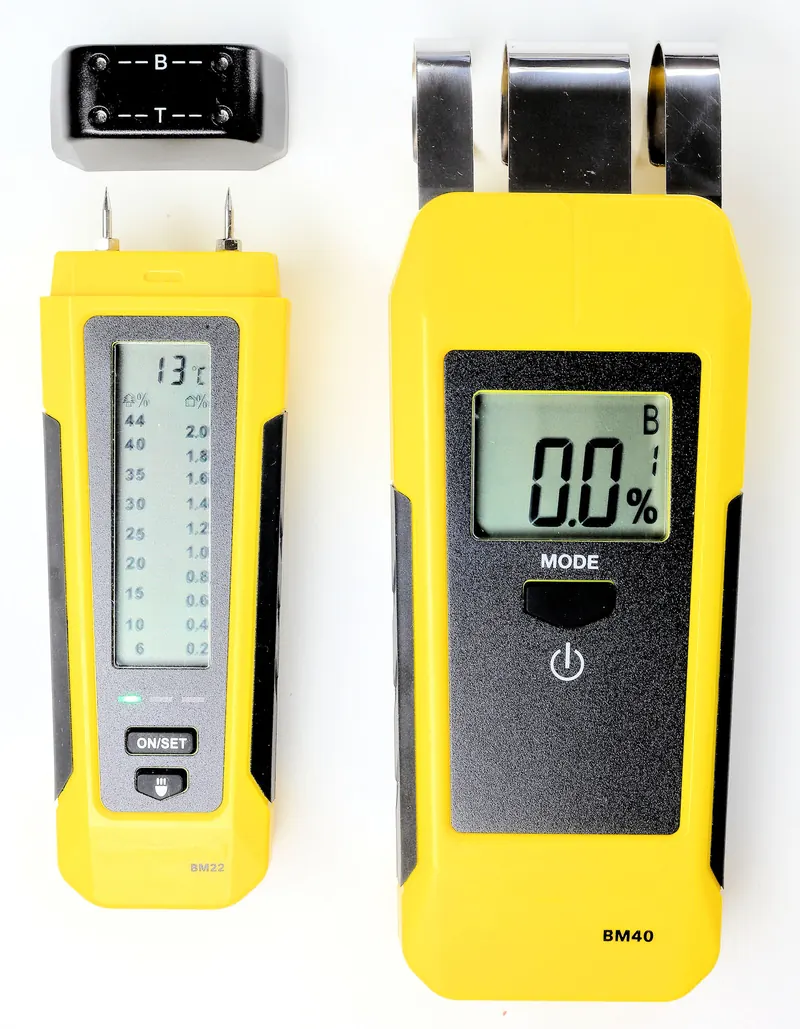
Moisture meter readings guide the assessment. Temperature variations may appear through a thermal imaging camera; mold identification is beyond the camera's capabilities.
Work-Zone Separation
A containment barrier, such as poly sheeting, and negative air pressure limit movement of particles into adjoining rooms.
Protective Equipment and Filtration
A HEPA air scrubber, together with protective equipment, helps keep work controlled. Find out where your air filtration device exhausts.
Material Removal
The agreed scope governs drywall removal along with disposal of other damaged materials.
Surface Cleaning
Cleaning covers retained surfaces. Antimicrobial treatment does not replace physical cleaning.
Drying and Repair Coordination
Drying equipment helps reduce moisture. Coordinate repairs for the source, including plumbing or drainage, ahead of rebuilding.
Post-Remediation Verification
Check cleaning and drying before containment comes down. Specified clearance testing should go to an independent assessor instead of the company responsible for removal.

Discuss Basement Mold Removal in Arleta
Call whenever you need. Talk with a basement mold removal specialist about what you are seeing and the steps ahead.
Basement Cleanup Concerns Across Greater Los Angeles
Plan your cleanup around hidden damage, water conditions and the people in the space.
Sensitive Occupants
For some people, mold may trigger symptoms of allergies and asthma. People face increased risk if their immune systems are weak or they have asthma or lung disease.
Sewage or Contaminated Water
EPA advises using a professional experienced with contaminated-water damage. Let your assessor know about backed-up drains.
Hidden Moisture
A dry-looking finish does not establish that the material behind it is dry.
Can you clean it yourself? For areas under about 10 square feet, EPA says homeowners can often do the cleaning themselves. Professional evaluation is needed when areas are larger or water damage is extensive.
What Can Stay After Basement Cleanup in Los Angeles County?
Condition and cleanability matter as well as porosity.

Non-Porous Surfaces and Items
- You may be able to clean glass, washable plastic and metal
- Base your decision to keep an item on surface assessment
Porous Materials That May Stay
- You may clean and dry wood framing that remains sound
- Concrete and cinder block are porous, not non-porous
- Before keeping either, evaluate moisture levels and signs of deterioration
Materials That May Need Disposal
- Moldy drywall, carpet and pad
- Affected insulation and ceiling tiles
- Unsalvageable contents recorded before disposal
Factors That Shape Your Basement Cleanup Schedule in Los Angeles County
Your schedule depends on access, drying progress and repair handoffs.
- Unfinished basement: Exposed framing allows assessment without opening finished walls; stored contents may restrict access.
- Finished lower level: Opening selected sections may uncover more damage and alter the scope of removal.
- Persistent water entry: When you can enclose and rebuild depends on moisture readings and drainage repairs.
Basement Odor and Humidity in Arleta
Follow up on a musty odor, but do not rely on your nose to identify its source or decide that cleanup is finished.
A dehumidifier reduces your air moisture without fixing leaks. For indoor relative humidity, EPA recommends staying below 60 percent and ideally between 30 and 50 percent.

Scope and Repair Planning
Use the full basement mold removal guide to prepare questions about the assessment, scope and next steps for your property.
Read the basement mold removal guidePlanning Basement Mold Removal in Arleta
Local housing figures describe the area, not the condition of your property. Let the assessment findings guide your arrangements for moisture repairs, access and records.
Census ACS 2024 5-year (tables B01003, B25003, B25035, B09021 and B25024). Area estimates do not establish conditions at an individual property.
Within Arleta, even adjoining properties can manage water differently, so inspection should focus on the specific roof, pipe, drainage point, or humidity problem.
Dry water-damaged areas and items within 24 to 48 hours to prevent mold growth, and remove porous material when it cannot be fully cleaned and dried.
Local Basement Mold Removal Information for Arleta
You can ask about mold cleanup in nearby communities and ZIP codes during the call.
Basement Mold Removal in Locations Near Arleta
ZIP codes
Frequently Asked Questions About Basement Mold Removal in Arleta
Should you remove basement contents ahead of an assessment?
Confirm which belongings can await examination without being moved. Describe storage against affected walls, stair obstructions and heavy furniture as you arrange access. Get a separation plan for unaffected possessions and items that need cleaning or disposal. Moving everything upstairs first can make it harder to track what came from the affected area.
Is testing necessary before you clean up basement mold in Arleta?
You often have no need to sample visible growth, according to EPA. Use inspection to locate affected materials; air sampling addresses a specific question limited to the collection. Ask what difference a result would make to your cleanup choice before spending money on it. No federal limit for indoor mold sets a passing result that applies universally.
After the job, which records should you retain?
Retain the disposal list and moisture readings with dates, along with completion photos, invoices, and your final scope including approved changes. Keep water-source repair records as well as any clearance report or assessment report. File them under the room and date so future questions about affected materials, what remained and replacements are easier to answer.
Does your basement cleanup scope also cover waterproofing and rebuilding?
Confirm each part separately: removal, disposal, drying, moisture-source repair and replacement finishes. Ask who will fix drainage or plumbing, and who takes responsibility for replacing trim, drywall and flooring. A proposal for cleanup can leave those trades out. Settle how handoff and completion will work before authorizing the job, especially with several contractors participating.
As a basement tenant in California, what should you report?
Give your landlord or property manager written notice describing where it is, your first observation and whether water is still coming in. Include photos and keep copies of replies. Ask for planned repairs and arrangements for access. Avoid authorizing changes to walls or shared equipment without the responsible property contact agreeing.
During work in your basement, can you remain upstairs?
Discuss how the work area will remain separate from shared air routes, stairways and rooms people occupy. Discuss whether you can reach exits, laundry and utilities without entering it. The contractor should explain occupancy arrangements for your property and household before work starts. A basement location alone does not settle that decision.
Questions About Basement Mold Removal in Los Angeles County?
You can get straightforward, reassuring guidance on basement mold removal by calling 24 hours a day.